The E-2 visa is one of the most attractive options for foreign investors who want to live and operate a business in the United States. However, there is some confusion about whether real estate investments meet the requirements to obtain this visa.
In this article, we will take an in-depth look at the E-2 visa criteria, evaluate the various forms of real estate investment , and explore recommended alternatives, such as franchising. In addition, we will include verified data and sources for better understanding.
What is the E-2 Visa

The E-2 visa is a nonimmigrant visa that allows citizens of countries with trade treaties with the United States to invest a substantial amount of capital in a business within the country and, in return, obtain the right to reside and work in the U.S. while the business is in operation.
Now then… Not all countries have trade treaties with the U.S., so only citizens of certain countries can apply. Some of the top eligible countries include:
- Argentina
- Mexico
- Spain
- Chile
- Colombia
Check the complete list of countries on the official website of the U.S. Department of State. U.S.
Main E-2 Visa Requirements
To qualify for the E-2 visa, the investor must meet certain requirements:
- Substantial investment: Although no minimum amount is specified, an investment of at least $150,000 USD is recommended to improve the chances of approval (USCIS).
- Operating company: The investment must be made in a real and active business that generates goods or services for profit.
- Control of funds: The investor must have control over the funds and assume the financial risk of the investment.
- Revenue Generation: The business must have the potential to generate income in excess of the subsistence level of the investor and their family, as well as contribute to the U.S. economy.
- Non-marginal nature of the business: The company is expected to create jobs for U.S. residents or citizens.
Can you get the E-2 visa by investing in real estate?
In general, passive investment in real estate does not qualify for the E-2 visa. That is, buying a property to rent or renovate it and expecting its value to increase is not considered a business activity.
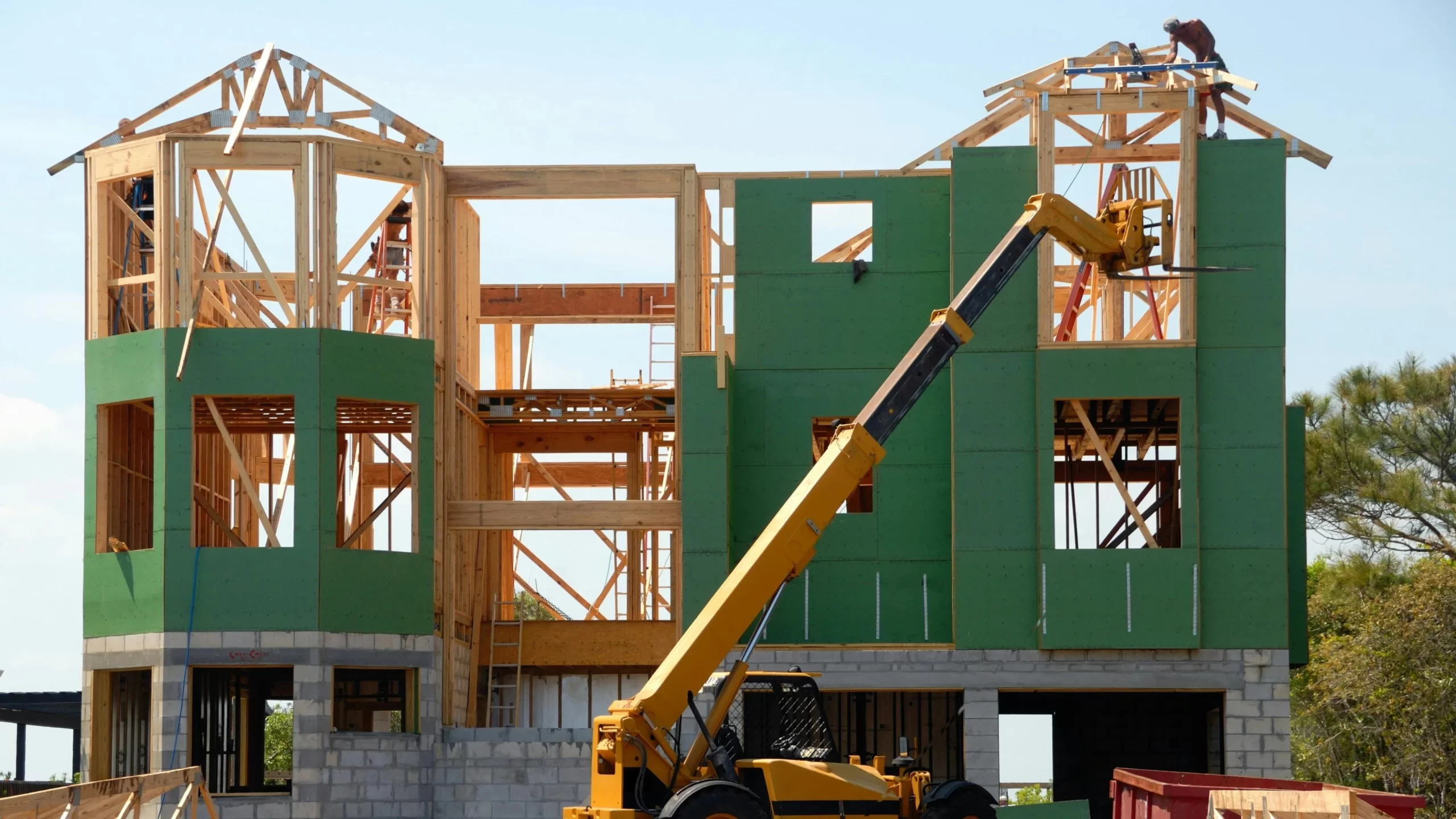
Reasons Why Passive Real Estate Investments Don’t Qualify
- Lack of business activity: Owning properties for rent is not an active business, but a passive investment.
- Passive income: Income generated from rentals is not considered income from a substantial business activity.
- Does not generate significant employment: To qualify, the investment must create jobs for U.S. citizens or residents, which is not the case in a passive real estate investment.
Exceptions: Active Real Estate Investments That May Qualify
Despite the restrictions, there are certain forms of real estate investment that may meet the E-2 visa requirements:
1. Real estate development
Investment in house flipping may qualify if it is managed as an active business. The key is to demonstrate that the company has employees, regular operations, and a growth plan.
2. Real Estate Management Company
Setting up a third-party property management company is a viable option. This type of business involves active management, generation of income from services and job creation.
3. Acquisition of Real Estate franchise
Since real estate investments typically do not meet the requirements, one of the best alternatives for investors seeking the E-2 visa is to acquire a franchise.
Advantages of investing in a franchise
- Proven business model: Franchising reduces risk as they have a proven track record of success.
- Support and training: The franchisor offers assistance in operations, marketing, and training.
- Brand recognition: An established brand makes it easier to acquire customers and grow the business.
- Compliance with E-2 visa requirements: Many franchises are designed to qualify for this visa.
Key facts about franchising and the E-2 visa
- More than 70% of E-2 visa applications include franchise investments (Forbes).
- Franchises in sectors such as catering, services and retail are the most chosen by foreign investors.
While passive real estate investment does not typically qualify for the E-2 visa, there are strategies for structuring active investments that may qualify. Nonetheless, to maximize the odds of approval, franchise investing is still one of the best options. Especially in times of governmental change, where the authorities have become stricter with the criteria of supervision and compliance.
In this context, franchises offer a structured business model, with clear operations and verifiable job creation, which facilitates argumentation before the immigration authorities. In addition, as they are active investments with a direct impact on the local economy, they are more aligned with the principles of the E-2 visa, reducing the risk of rejection and streamlining the approval process.
Keep in mind that each case is unique, so it is essential to have expert advice.
If you’re ready to learn about the best investment opportunities to obtain the E-2 visa, schedule a free initial consultation with Interlink FBC.